Texas A&M research shows biochar can improve plant growth, root development, and establishment compared to compost and native soil alone.
When it comes to producing healthier, more resilient plants, success starts below the surface. Soil structure, nutrient availability, water retention, and root development all play critical roles in plant performance. Recent research from Texas A&M AgriLife Extension demonstrates how biochar can positively impact these factors and help plants achieve greater growth and establishment success.
What Is Biochar?
Biochar is a carbon-rich soil amendment produced through pyrolysis, a process that heats biomass at high temperatures in the absence of oxygen. The result is a highly porous material that can improve soil structure, support microbial activity, enhance nutrient retention, and create a more favorable root-zone environment for plant growth.
As professionals continue searching for tools that improve efficiency and long-term soil health, biochar has emerged as a promising solution across a variety of horticultural applications.
Texas A&M Puts Biochar to the Test
To evaluate the impact of biochar on ornamental plant performance, researchers at Texas A&M AgriLife Extension established a replicated field trial using Vinca Cora® XDR Cascade White in landscape beds.
The study began in Week 27 and concluded in Week 40, comparing three soil treatments:
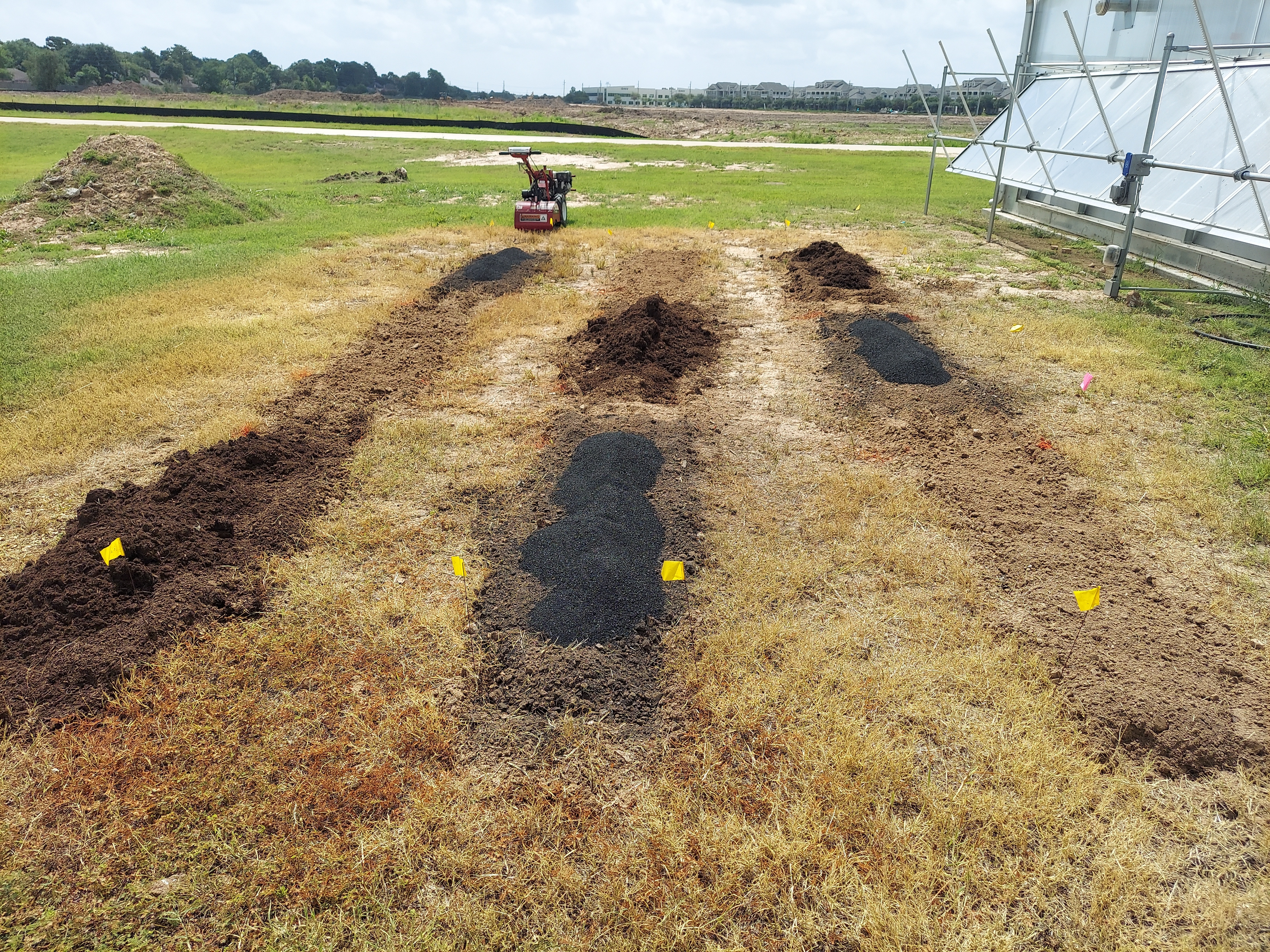
- Biochar-amended soil using pecan shell biochar applied as a 3-inch layer and incorporated to a depth of 6 inches
- Compost-amended soil using organic compost applied as a 3-inch layer and incorporated to a depth of 6 inches
- Native soil that was tilled to a depth of 6 inches with no amendment added
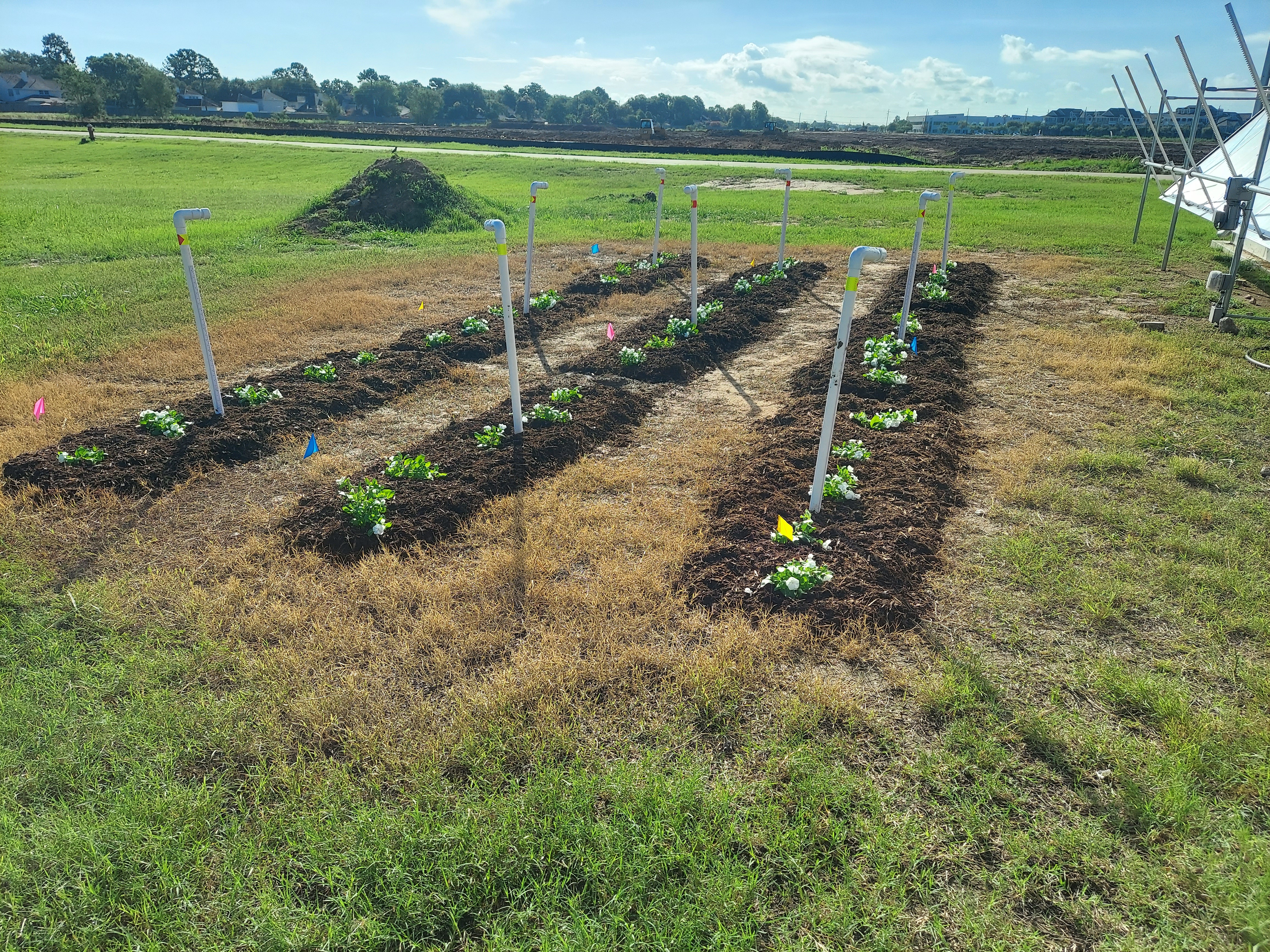
Each treatment was replicated across three separate 3-foot by 6-foot landscape beds to improve the reliability of the results. Bed locations were randomized throughout the study area to minimize environmental variation.
Researchers planted five Vinca Cora® XDR Cascade White plants in each bed, spaced 12 inches apart, resulting in a total of 15 plants per treatment. After planting, all beds received a 3-inch layer of mulch and were managed under the same fertility and irrigation program throughout the trial.
To ensure nutrient availability was consistent across treatments, a water-soluble 24-8-16 fertilizer was applied twice during the growing season at identical rates. Soil moisture was monitored using Liquid Prep soil moisture sensors, and beds were watered only as needed based on sensor readings. This approach allowed researchers to compare the effects of the soil amendments without differences in fertility or irrigation influencing the results.
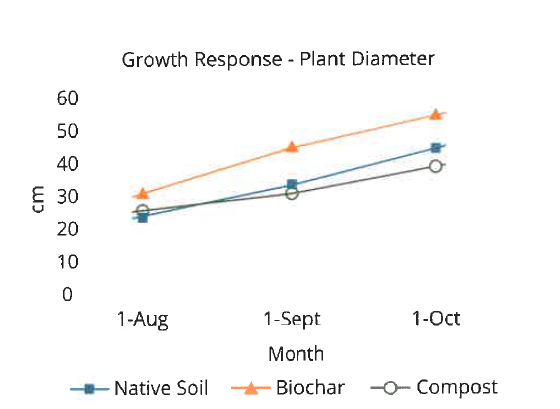
Plant growth was tracked throughout the season by measuring plant diameter on August 1, September 3, and October 1. At the conclusion of the study, researchers harvested plant and root samples, removed soil from the root systems, and dried the samples in a controlled laboratory environment to determine final plant and root dry weights.
The trial setup provided a comprehensive evaluation of how biochar influences plant establishment, canopy development, biomass production, and root growth under real-world landscape conditions
Larger Plants and More Canopy Growth
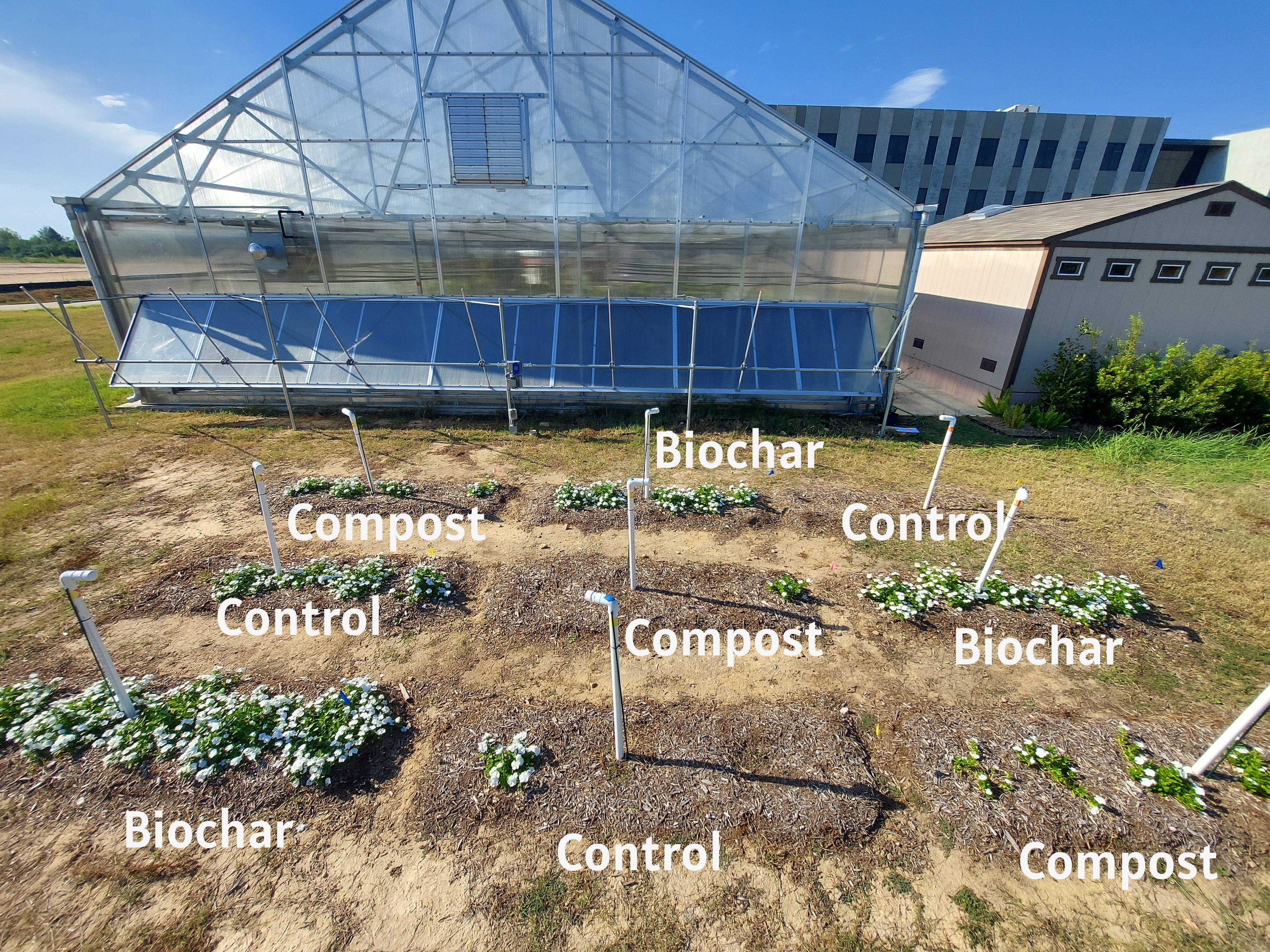
By the end of the study, plants grown in biochar amended beds were significantly larger than those grown in compost or native soil. Biochar treated plants reached an average diameter of 56.3 cm, compared to 46.1 cm in native soil and 40.2 cm in compost-amended beds. Researchers also found that biochar grown plants produced nearly twice the canopy area of those grown in compost.
Throughout the growing season, plants in biochar amended beds consistently maintained a growth advantage and were easily identifiable by their larger size and improved appearance.
Stronger Root Development
A healthy root system is essential for nutrient uptake, water efficiency, and plant establishment. The study found that biochar significantly increased root dry weight compared to both compost and native soil. Average root dry weights measured:
- Biochar: 7.09 g
- Native Soil: 3.54 g
- Compost: 2.78 g
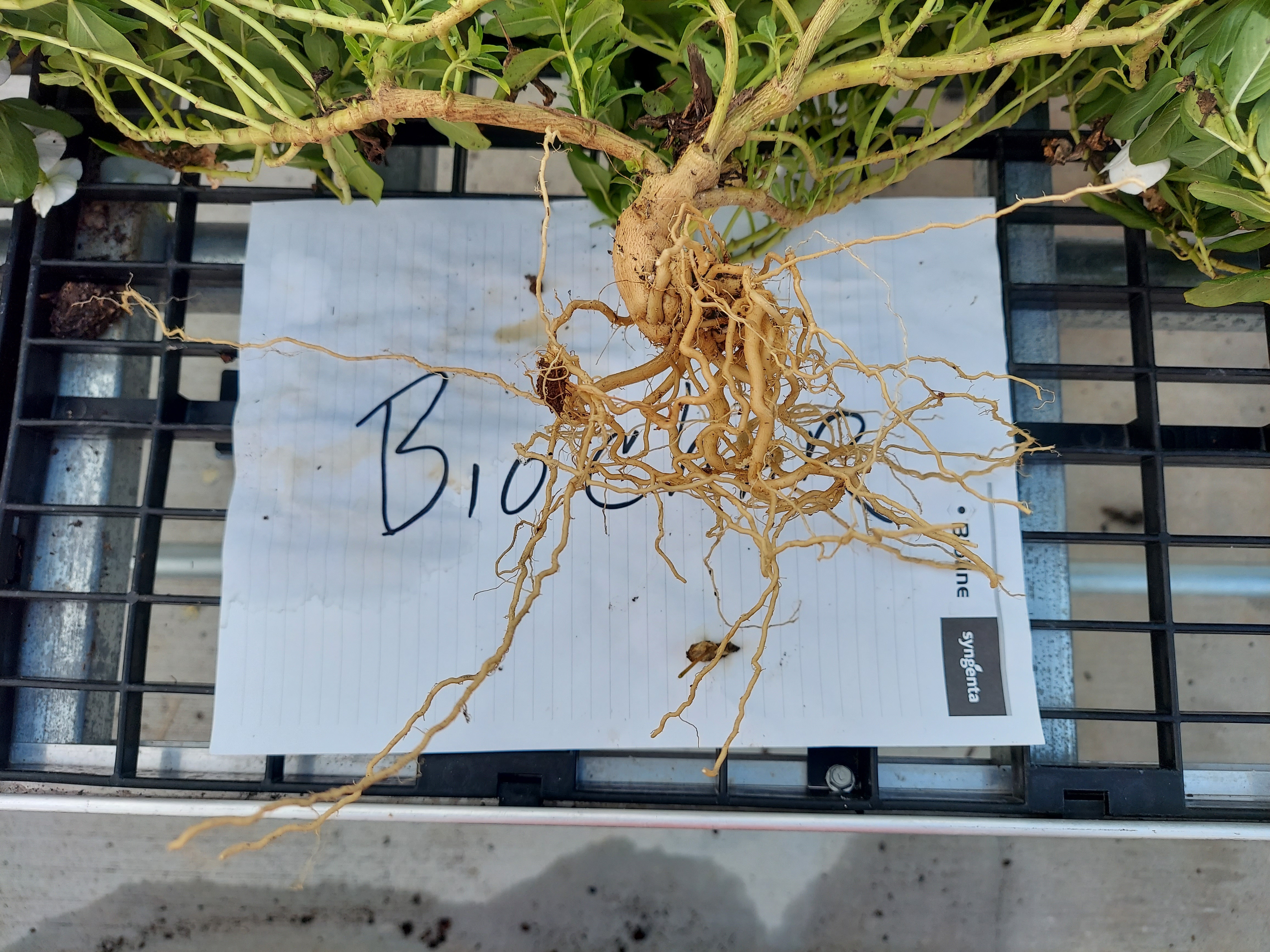
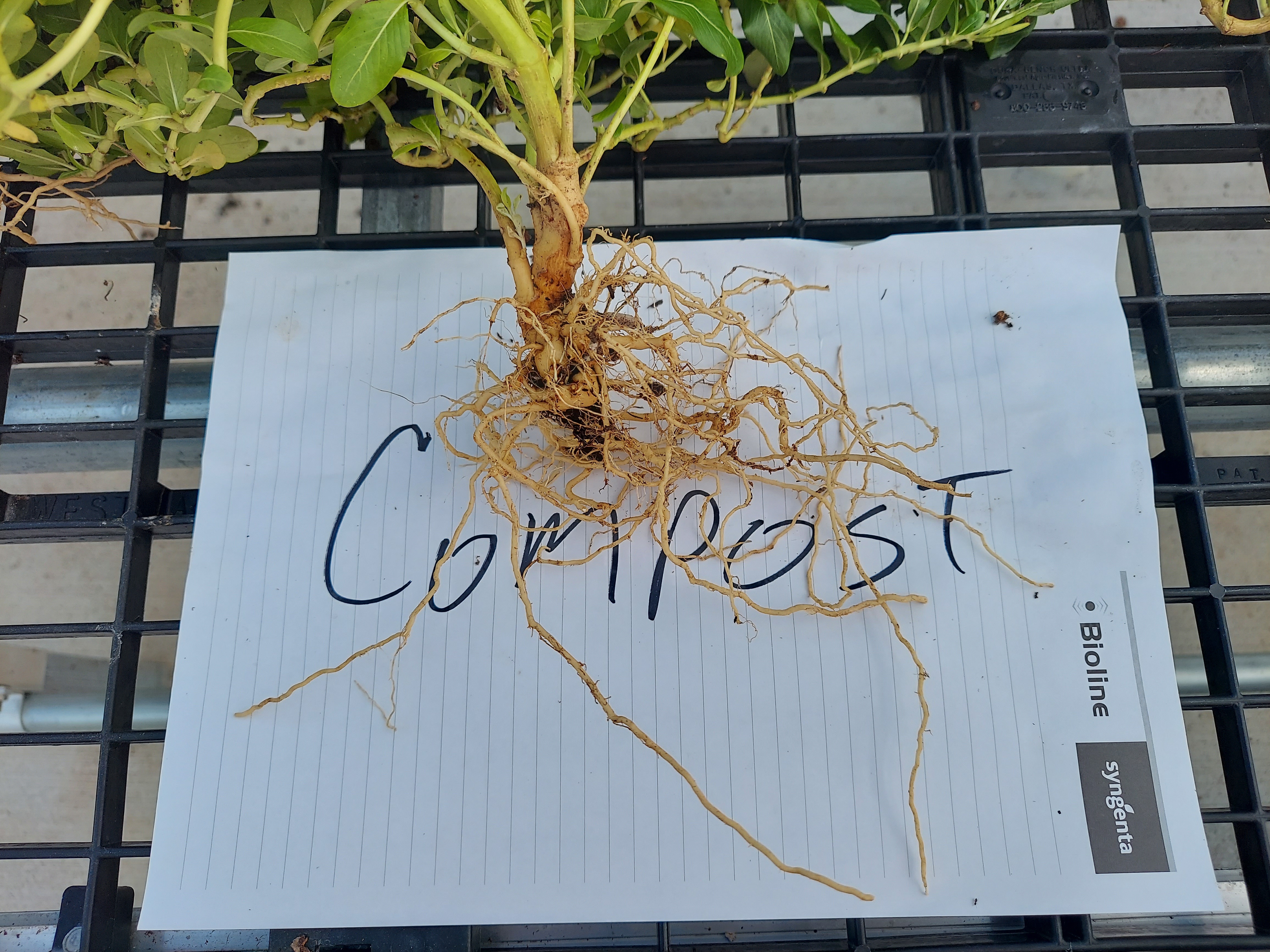
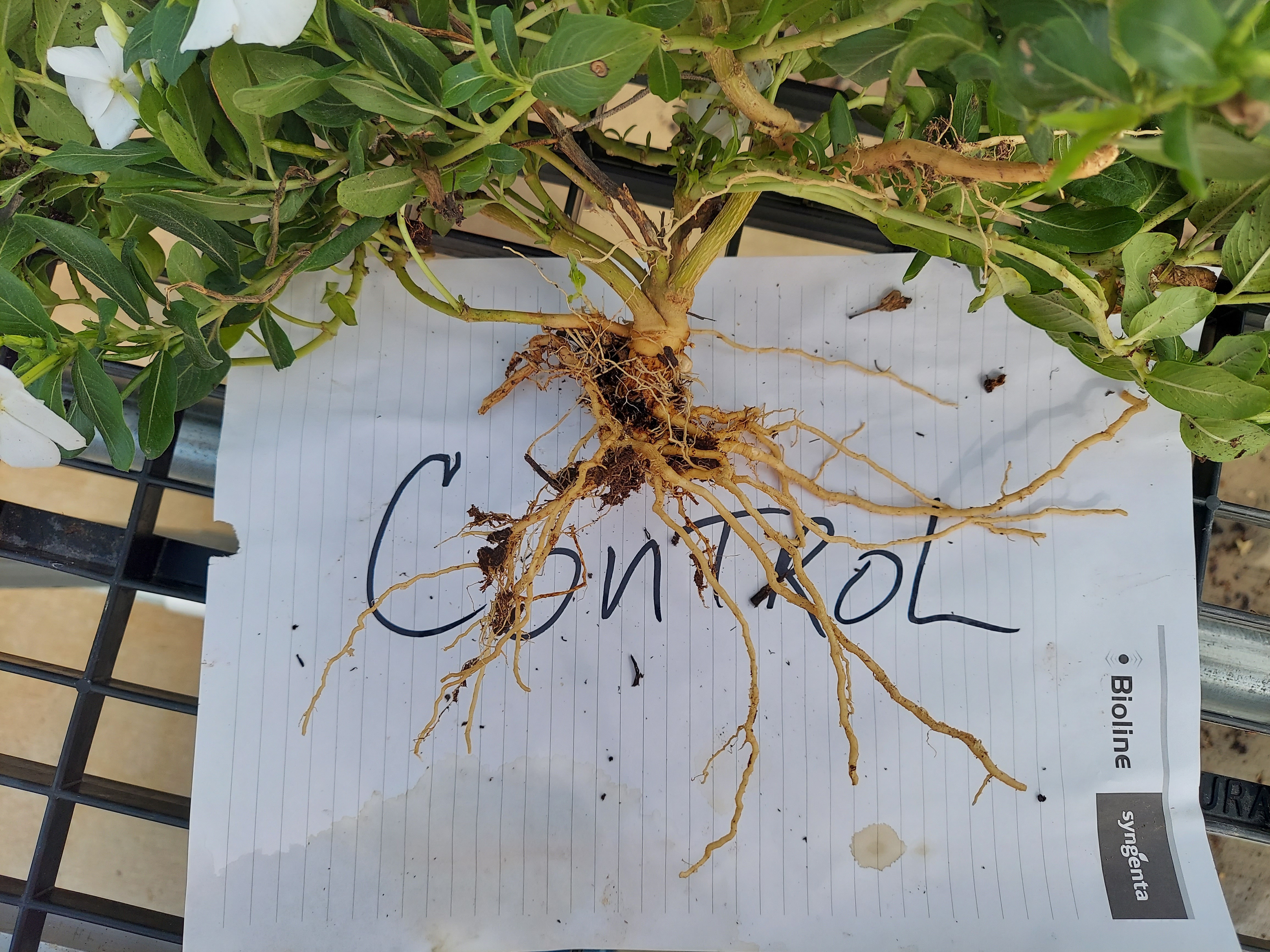
Researchers also observed greater root mass and increased root branching in biochar treated plants, indicating a more robust root system capable of supporting stronger above-ground growth.
Increased Plant Biomass
Biochar treatments also generated the highest plant dry weights during the trial:
- Biochar: 70.31 g
- Native Soil: 52.50 g
- Compost: 30.01 g
These results suggest biochar can help create conditions that support greater biomass production and overall plant vigor.
Superior Plant Establishment
One of the most notable findings was plant survival during establishment. Researchers reported:
- 0% plant loss in biochar-amended beds
- 33% plant loss in compost-amended beds
- 76% plant loss in native soil beds within two weeks of planting
Despite similar moisture levels across treatments, biochar-amended beds delivered dramatically better establishment success. For landscape contractors, nursery growers, and horticultural professionals, improved establishment can lead to stronger plant performance and reduced replacement costs.
Why Biochar Matters
The Texas A&M research adds to the growing body of evidence supporting biochar's role in improving soil and plant performance. By enhancing root-zone conditions, supporting stronger root systems, and promoting more vigorous growth, biochar can be a valuable tool for professional horticulture, nursery production, and landscape management.
As additional research continues, biochar is proving to be much more than a soil amendment. It is becoming an important component of modern soil management strategies designed to maximize plant performance and soil health.
Bringing Biochar Benefits to Your Program
Professional growers and landscape managers are increasingly incorporating biochar into their soil management programs to help improve establishment, encourage root growth, and support long-term plant performance. The continued success of biochar research highlights its potential as a valuable tool for enhancing soil function across a wide range of horticultural applications.
The Andersons Products Featuring Biochar:
- Humic DG™ CharX®
- Humic DG™ CharX®(OR Only)
- Humic DG™ CharX®(International Only)
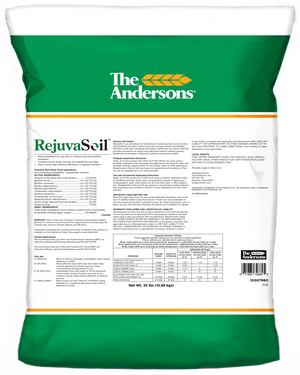
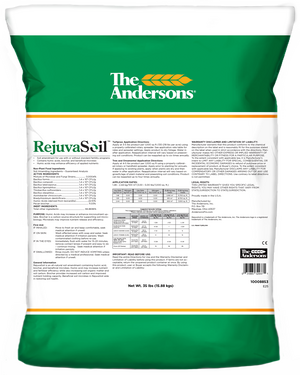
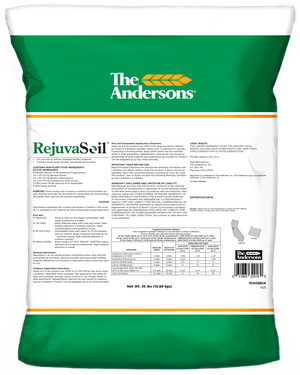
- RejuvaSoil™
- RejuvaSoil™ (CA/OR Only)
- RejuvaSoil™ (International Only)
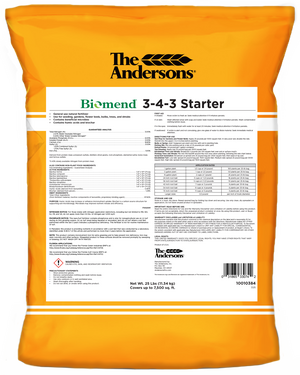
- Biomend® 3-4-3 Starter
- 10-0-10 Fertilizer with Dimension® & ACELEPRYN® with MUtech®
- ATEP DG™
- ATEP DG™ (International Only)
- Genesis Rx® DG 5-7-5
- Genesis Rx® DG 5-7-5 (CA Only)
- Genesis Rx® DG 5-7-5 (International Only)
- Genesis Rx® 3-4-3 Zeolite Plus
Whether used in landscape beds, nursery production, ornamental plantings, or other horticultural settings, biochar based technologies can help support stronger roots, healthier soils, and improved growing success.
Key Takeaways
- Biochar produced the largest plants in the study.
- Root development was significantly greater with biochar.
- Plant biomass increased compared to compost and native soil.
- Biochar achieved 100% plant survival during establishment.
- Research continues to demonstrate biochar's value for improving soil and plant performance.
Source: Texas A&M AgriLife Extension, "Impact of Biochar, Compost, and Native Soil on Plant Growth in Vinca" (June 2026).