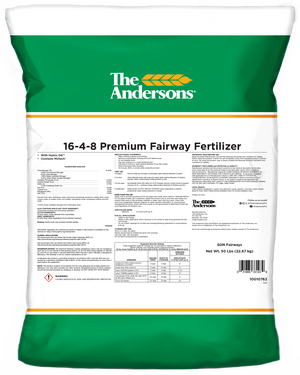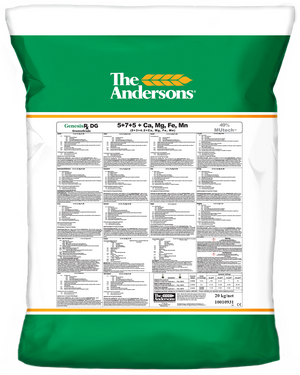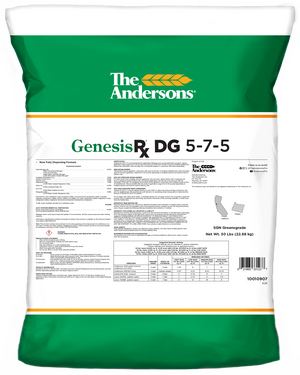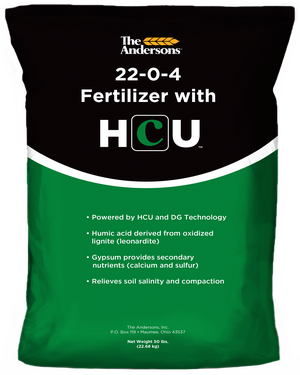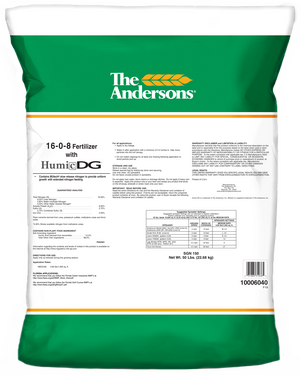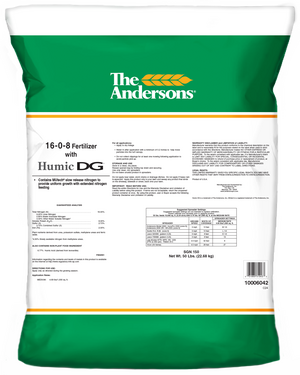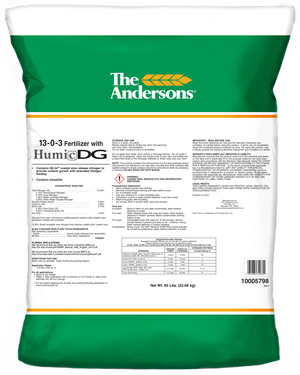

When air temperatures consistently drop below 55°F, turfgrass shifts its energy away from producing top growth and begins storing carbohydrates for winter survival and spring recovery. This makes fall one of the most important fertility windows of the year. Instead of generating the rapid shoot growth often seen with spring applications, fall fertilization helps build energy reserves that support stronger roots, improved winter hardiness, earlier spring green-up, and overall turf performance the following season.
Why Fall Fertilization Matters
Many turf managers focus on spring fertility because it produces an immediate visual response. However, fall applications often provide greater long-term benefits. As temperatures cool and growth slows, plants become more efficient at storing nutrients and carbohydrates rather than using them to produce excess leaf tissue.
This seasonal transition allows turfgrass to:
- Build carbohydrate reserves for winter survival
- Strengthen and maintain root systems
- Improve stress tolerance
- Recover from summer wear and environmental pressures
- Support faster spring green-up
- Maintain turf density heading into winter
- Reduce the likelihood of aggressive spring growth flushes
The Difference Between Spring and Fall Applications
In the spring, much of the nitrogen applied is directed toward shoot growth, resulting in increased mowing requirements and rapid top growth. During the fall, the plant's priorities change. As temperatures decline, nutrients are more likely to support root activity and carbohydrate storage rather than excessive leaf production.
Think of fall fertilization as investing in next season's performance. Rather than chasing short-term color and growth, a properly timed application helps turf enter winter with the resources needed to handle stress and emerge stronger the following spring.
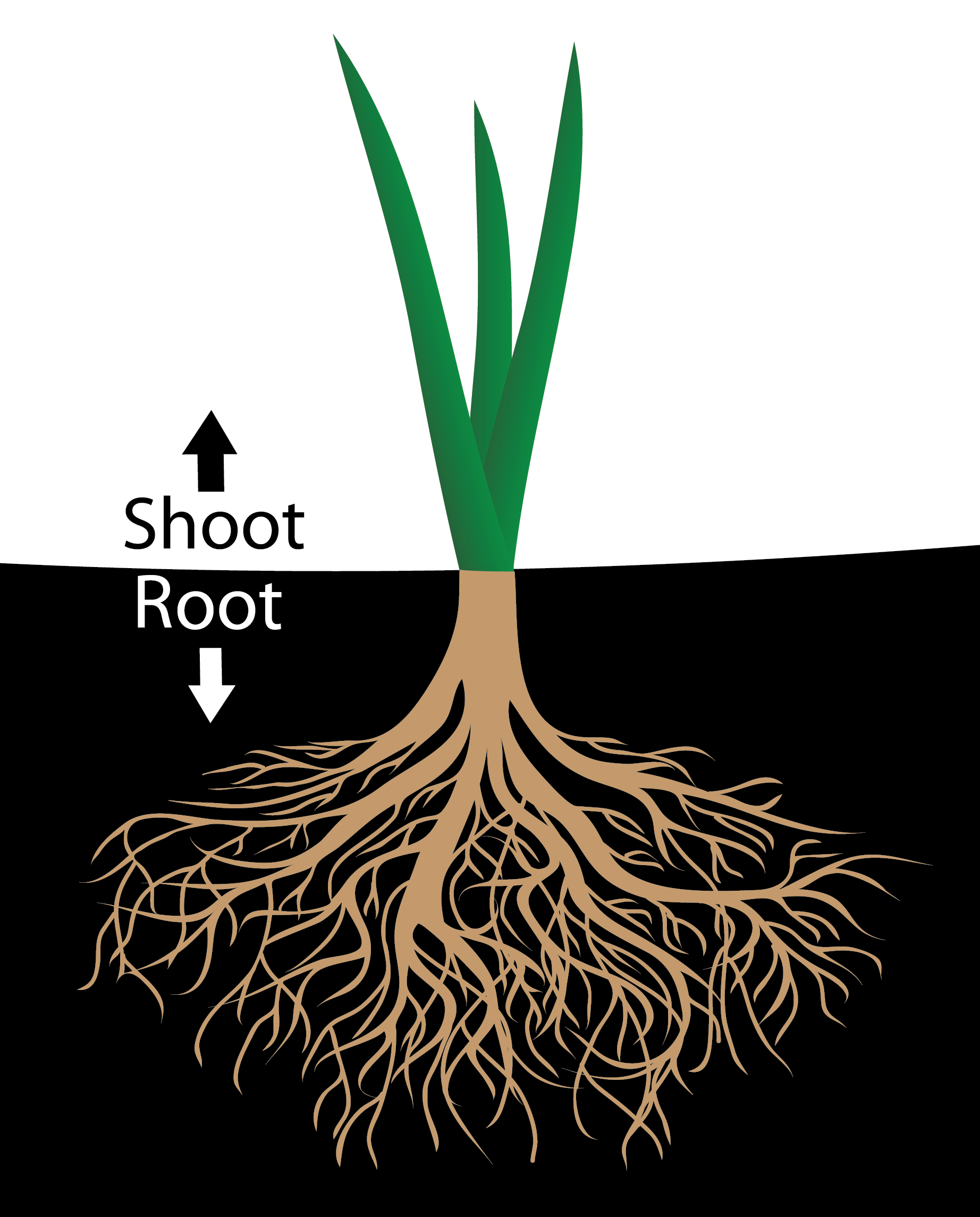
Root Growth Continues Even as Top Growth Slows
One common misconception is that turf stops growing when cooler weather arrives. While visible top growth slows significantly, root development can remain active throughout the fall. This creates an ideal opportunity to maximize nutrient uptake and improve the plant's overall health before winter dormancy.
Strong roots help turf:
- Access water and nutrients more efficiently
- Better tolerate drought and environmental stress
- Recover more quickly from traffic and wear
- Develop a stronger foundation for spring growth
Setting Turf Up for Spring Success
The benefits of fall fertility often become most evident the following year. Turf that enters winter with adequate nutrient reserves typically exhibits improved vigor, earlier spring green-up, and better recovery from seasonal stresses. By focusing on root development and carbohydrate storage during the fall, turf managers can create healthier, more resilient playing surfaces and landscapes that perform better throughout the entire growing season.